
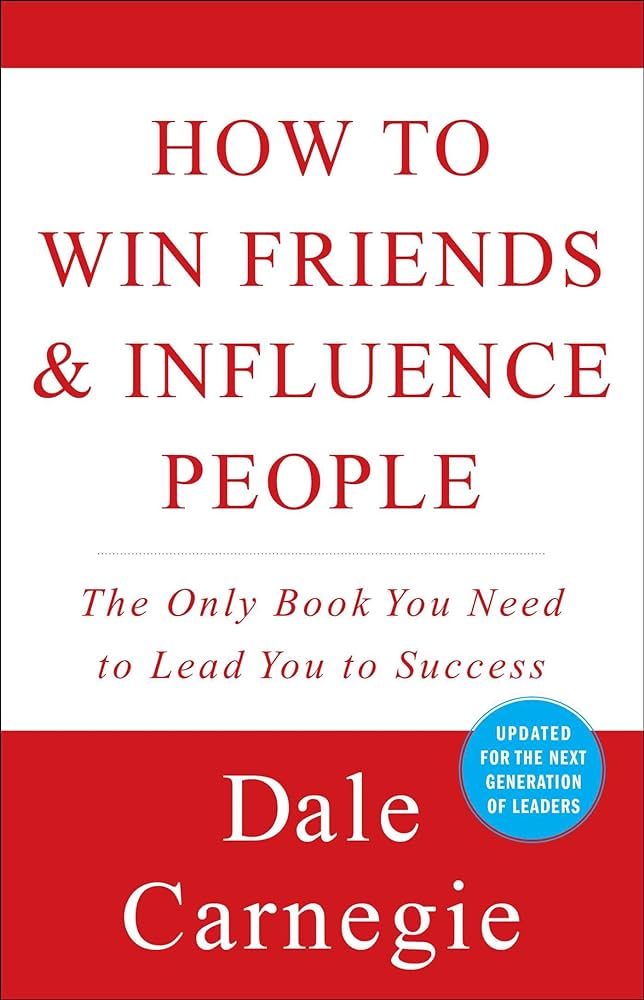
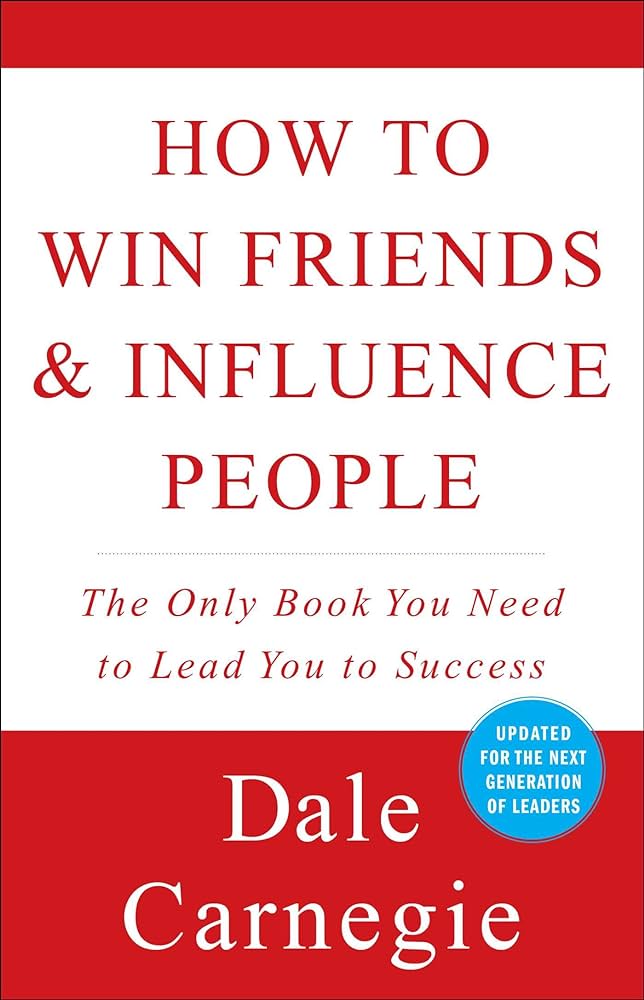
How to Win Friends and Influence People by Dale Carnegie
At National Small Business Analysis, we are dedicated to empowering small business owners and entrepreneurs with the knowledge and skills they need to succeed in the world of business. “How to Win Friends and Influence People” by Dale Carnegie, a literary classic first published in 1936, holds a special place in our hearts as a timeless beacon of wisdom in the realm of self-help and communication. This book has guided generations on the path to mastering the art of connection and nurturing interpersonal relationships, making it an invaluable resource for entrepreneurs seeking to enhance their social prowess and influence.
Author’s Background:
Dale Carnegie, an esteemed American author and orator, achieved legendary status through his work in self-improvement, salesmanship, corporate training, and public speaking. His rich background in these fields, along with a lineage of salesmen, lends credibility to the profound principles he imparts in his book, “Dale Carnegie: Architect of Profound Principles.”
Core Concepts and Theories:
Dale Carnegie’s timeless classic, “How to Win Friends and Influence People,” is a treasure trove of foundational principles that guide individuals in mastering the art of interpersonal influence. Let’s explore these core concepts and theories:
- The Essence of Appreciation: Carnegie emphasizes the importance of authentic appreciation and empathetic understanding of others’ viewpoints. Recognizing and valuing others’ perspectives lays the groundwork for meaningful connections.
- Fortifying Rapport: The book provides proven techniques for making others feel significant and valued. Building rapport involves not only genuine compliments but also active listening and a sincere interest in others’ thoughts and feelings.
- The Art of Articulation: Carnegie offers strategies for effective communication, including active listening and encouraging others to share their stories. Engaging in meaningful conversations and showing interest in others’ experiences fosters trust and connection.
- The Science of Persuasion: Carnegie delves into the methods for altering perspectives without causing resentment. He explores how to influence others positively by understanding their motivations and aligning your message with their interests.
Practical Applications:
“How to Win Friends and Influence People” is replete with practical anecdotes and real-life examples that provide readers with tangible tools to enhance their interactions. The book’s wisdom transcends boundaries, making it applicable across various domains, from business negotiations to personal relationships. Practical applications include:
- Effective Communication: Entrepreneurs can apply Carnegie’s principles to improve their communication skills. This includes actively listening to clients, employees, and partners, making them feel heard and valued.
- Conflict Resolution: The book offers techniques for handling disagreements with grace and tact. Entrepreneurs can use these methods to navigate conflicts within their teams or when dealing with clients and customers.
Key Takeaways for Entrepreneurs:
Entrepreneurs can glean invaluable insights from “How to Win Friends and Influence People” to enhance their professional journey:
- Interpersonal Skills: Strong interpersonal skills are the bedrock of successful business relationships. Building rapport, showing appreciation, and fostering genuine connections are essential for entrepreneurial success.
- Empathy and Understanding: Carnegie’s principles underscore the significance of empathy and understanding in communication and influence. Entrepreneurs who genuinely understand their clients, employees, and partners are better equipped to navigate challenges and seize opportunities.
- Investment in Others: Authentic appreciation and investment in others are keys to forging lasting alliances. Entrepreneurs can embark on the journey of relational mastery by valuing and uplifting those they interact with.
Strengths and Limitations:
The book’s strength lies in its timeless principles and practical approach. However, some modern readers may find certain analogies and the writing style somewhat dated, suggesting the need for adaptation to today’s digital landscape, Adapting the Vintage Wisdom to a Modern Landscape.
Who Should Read This Book:
“How to Win Friends and Influence People” warmly welcomes business professionals, entrepreneurs, marketing experts, and anyone eager to elevate their communication skills, strengthen relationships, and increase their influence in both personal and professional spheres.
How to Implement These Ideas:
Readers can integrate Carnegie’s enduring principles into their lives by committing to genuine curiosity in others, honing active listening skills, acknowledging different perspectives, and approaching interactions with abundant appreciation and respect, Transforming Wisdom into Actionable Resolutions.
Conclusion:
Dale Carnegie’s “How to Win Friends and Influence People” continues to illuminate the path of personal development and interpersonal communication. Its seemingly simple principles reveal profound insights into human psychology and the art of influence, serving as an invaluable guide for those striving to conquer both personal and professional domains, A Timeless Guide to Influential Greatness.
 nsbanalysis.com
Leave a comment